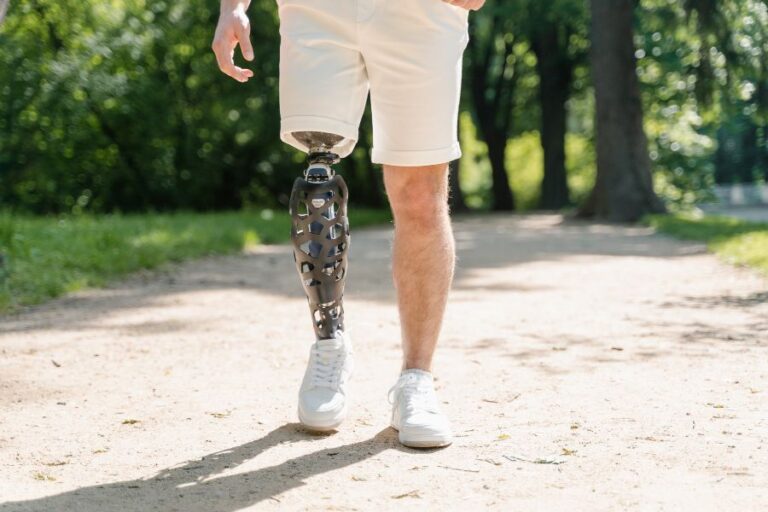
In recent years, the field of prosthetic and artificial limb technology has witnessed remarkable advancements that have revolutionized the lives of individuals with limb loss. These breakthroughs have not only improved the functionality and comfort of prosthetics but have also opened doors to new possibilities and opportunities. This blog will delve into the latest advances in prosthetic and artificial limb technology, highlighting the innovative features and benefits they offer. From bionic limbs that restore natural movements to customizable designs that reflect personal style, the future of prosthetics is truly awe-inspiring.
The Rise of Bionic Limbs:
One of the most exciting developments in prosthetic technology is the advent of bionic limbs. These sophisticated devices are designed to mimic the natural movements and functionality of a biological limb. By integrating advanced sensors, microprocessors, and actuators, bionic limbs can detect and respond to signals from the user’s muscles, allowing for precise and intuitive control. This breakthrough has significantly improved the quality of life for individuals with limb loss, enabling them to perform complex tasks with ease. Bionic limbs have restored the sense of touch, improved grip strength, and enhanced balance and stability. Moreover, they have contributed to the restoration of self-confidence and independence for many users.
Customization and Personalization:
Another noteworthy advancement in prosthetic technology is the increased focus on customization and personalization. Prosthetic limbs are no longer mere functional tools; they have become expressions of individuality and personal style. Manufacturers now offer a wide range of design options, allowing users to choose the color, texture, and appearance of their prosthetics. Some companies even offer artistic and creative patterns that transform the prosthetic limb into a work of art. By providing these customization options, individuals can embrace their prosthetic limb as an extension of themselves, fostering a positive self-image and promoting acceptance.
Enhanced Comfort and Functionality:
Comfort and functionality have always been essential factors in prosthetic design, and recent advancements have taken them to new heights. Prosthetic sockets, the interface between the residual limb and the prosthetic device, have undergone significant improvements. New materials, such as silicone liners and carbon fiber composites, provide enhanced comfort, better weight distribution, and improved durability. Additionally, advanced prosthetic joints and components offer increased range of motion, stability, and adaptability, enabling users to engage in various physical activities with confidence. These advancements have led to a reduction in discomfort, skin irritation, and the risk of injury, allowing individuals to lead more active and fulfilling lives.
Integration of Robotics and AI:
The integration of robotics and artificial intelligence (AI) has played a transformative role in prosthetic technology. Robotic prosthetics combine sensors, AI algorithms, and mechanical components to create devices that adapt and respond to the user’s movements. These prosthetics can analyze muscle signals, predict intended movements, and adjust their functionality accordingly. This seamless integration of technology enhances the user experience by providing more natural movements, increased control, and improved coordination. Additionally, AI algorithms enable prosthetic limbs to learn and adapt to the user’s preferences and patterns of movement over time, enhancing comfort and usability.
Conclusion:
The latest advances in prosthetic and artificial limb technology have undoubtedly unlocked new possibilities for individuals with limb loss. Bionic limbs, customization options, enhanced comfort and functionality, and the integration of robotics and AI have transformed the field and have given individuals greater independence, confidence, and quality of life. As technology continues to advance, we can expect even more groundbreaking innovations in the future. The collaboration between engineers, scientists, and users will drive further advancements, creating prosthetic and artificial limbsolutions that seamlessly integrate with the human body and empower individuals to pursue their passions and dreams without limitations. The future holds immense promise for the field of prosthetic technology, and we eagerly anticipate the incredible possibilities that lie ahead.