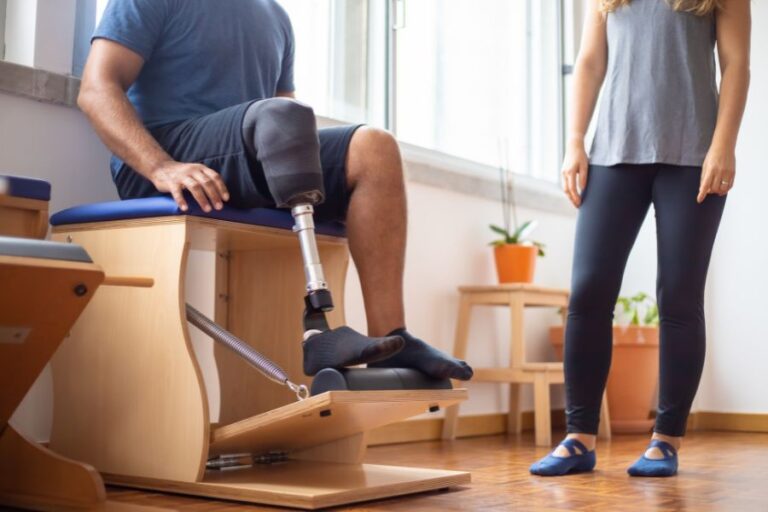
Losing a limb can be a life-altering experience, challenging both physically and emotionally. However, with the advancements in prosthetic and artificial limb technology, individuals facing limb loss are finding new hope, independence, and empowerment. Prosthetic limbs are no longer just functional replacements; they have become transformative tools that enable individuals to embrace a new chapter in their lives. In this blog, we will explore how prosthetic and artificial limbs empower individuals with limb loss, enabling them to regain mobility, confidence, and a sense of normalcy.
Restoring Mobility and Independence:
One of the primary ways prosthetic and artificial limbs empower individuals is by restoring mobility and independence. Losing a limb can significantly impact a person’s ability to perform daily activities and pursue their passions. However, with the aid of prosthetics, individuals can regain their freedom of movement and engage in various physical activities. Advanced prosthetic technologies, such as motorized limbs and microprocessor-controlled joints, allow users to walk, run, climb stairs, and even participate in sports. By restoring mobility, prosthetic limbs provide a renewed sense of independence, enabling individuals to reclaim their lives and engage in activities they once enjoyed.
Enhancing Self-Confidence and Psychological Well-being:
The psychological impact of limb loss can be profound, affecting an individual’s self-esteem and overall well-being. Prosthetic and artificial limbs play a crucial role in enhancing self-confidence and promoting psychological well-being. The ability to regain a natural appearance and movement through prosthetics helps individuals feel more comfortable in their own skin. By blending seamlessly with the body and offering cosmetic options, prosthetic limbs enable individuals to feel less self-conscious and more accepted in social and professional settings. This newfound confidence can lead to improved mental health, increased social interactions, and a higher quality of life.
Facilitating Emotional and Physical Rehabilitation:
The process of adapting to a new life with a prosthetic limb often involves emotional and physical rehabilitation. Prosthetic and artificial limbs provide a means for individuals to engage in rehabilitation programs, promoting healing and adaptation. Physical therapy, combined with the use of prosthetics, helps users regain strength, balance, and coordination. Prosthetic limbs offer a controlled environment for individuals to gradually build their strength and learn new ways of performing daily tasks. The ability to actively participate in rehabilitation not only improves physical function but also instills a sense of accomplishment and progress, fostering a positive mindset and a smoother transition into a new chapter of life.
Fostering a Supportive Community:
The journey of living with a prosthetic or artificial limb is not one that individuals have to face alone. Prosthetic technology has fostered the growth of a supportive community that connects individuals with shared experiences, challenges, and triumphs. Support groups, online forums, and social media platforms provide a space for individuals to seek advice, share stories, and offer encouragement. This community helps individuals realize that they are not alone in their struggles and celebrates their achievements. By connecting with others who have walked a similar path, individuals with limb loss can find solace, inspiration, and valuable insights that empower them to embrace their new chapter with strength and determination.
Conclusion:
Prosthetic and artificial limbs have transformed the lives of individuals with limb loss, offering them a path to embrace a new chapter full of possibilities. Through restoring mobility, enhancing self-confidence, facilitating rehabilitation, and fostering a supportive community, these advancements have empowered individuals to regain their independence, overcome challenges, and thrive in their personal and professional lives. As technology continues to evolve, we can anticipate even greater advancements that will further empower individuals with limb loss, reaffirming their resilience and reminding them that they have the ability to embrace life to the fullest, no matter the obstacles they face.